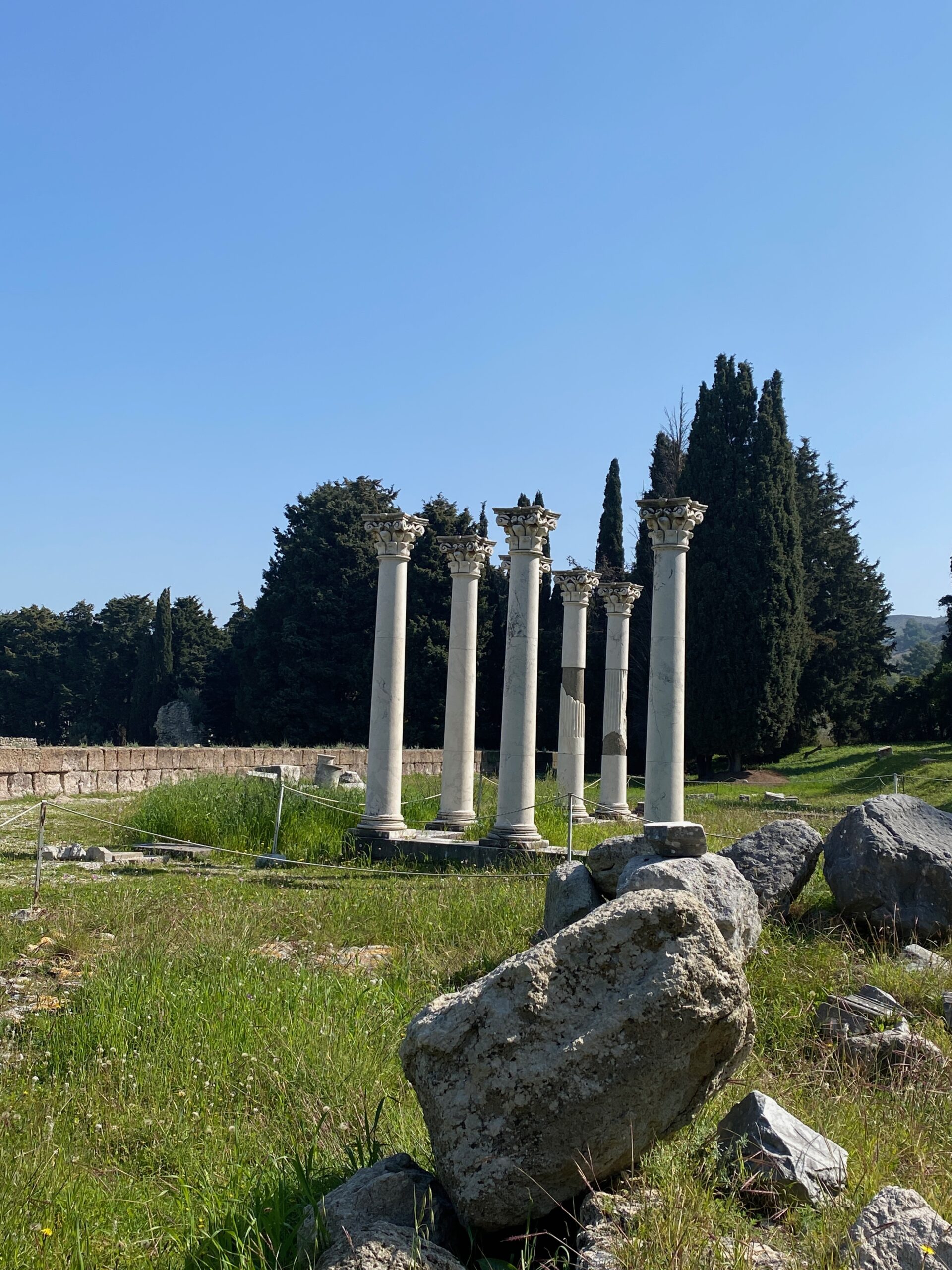
My first visit to the Asklepion was in 1993, and even then I was impressed – although history wasn’t one of my greatest interests. However, the similarity between this ancient healing center and modern hospitals fascinated me enormously.
To this day, I return every winter or spring to enjoy the tranquility and the view. In such moments, I am always aware of how small my own existence is compared to world history. Will our civilization still exist in 2000 years? Are we truly evolving or are we spinning in circles? Questions over questions…
Why was the Asklepion built there specifically? And why on Kos? Were there healing springs, special herbs, or energy fields here? Questions that no one can answer with certainty anymore.
According to Wikipedia There are approximately 300 Asklepios, but the one on Kos is among the most famous and beautiful in the world. Aside from its history, it has a great location with a view over the city of Kos to the Turkish coast.
Why was the Asklepion built right here?
Why in Kos? Was there any healing springs here, special herbs or a unique energy field? Today no one can answer these questions with certainty.
According to Wikipedia, there were approximately 300 Asklepieion temples, but the one on Kos is among the most famous and beautiful in the world. In addition to its historical significance, it stands out for its location with breathtaking views over the city of Kos to the Turkish coast.

What is an Asklepion?
An asklepion was an ancient sanctuary, often equipped with sanatoria and bathing houses – much more than a hospital; rather, it was a holistic therapeutic center. The name comes from Asklepios, the son of Apollo, who was revered in Greek mythology as the god of healing arts.
Hippocrates and the Asklepion
The Asklepieion of Kos is particularly closely associated with Hippocrates, the „father of medicine“. He was born in Kos (460–377 BC), and his father was a priest of Asklepios. Hippocrates spread his knowledge throughout Greece and Asia Minor. Although the Asklepieion was built in Kos only after his death, it is documented that treatment was provided there according to his teachings.
At that time, it was believed that diseases were a punishment from the gods and could only be cured through prayer. Hippocrates, however, conducted research and relied on the self-healing powers of the body. He was convinced that the body, as well as the soul and mind, must be healed. His treatments included healthy eating, relaxation, exercise, and herbal medicine.

The Oath of Hippocrates
Hippocrates already recognized that germs could cause infections, thus laying the foundation for modern medicine. The famous Hippocratic Oath that doctors performed until 1948 was only later replaced by the Geneva Oath. However, whether the oath actually originated from him is disputed.
The architecture of the Asklepion
- First level: Here were the patient accommodations, the medical school, and the priests' living quarters. A colonnade hall can also still be seen. Once statues of gods were placed in the supporting wall to the second level.

- Second level: This was the religious center of the complex. The seven remaining columns belong to the Apollo Temple. Patients were also treated here.
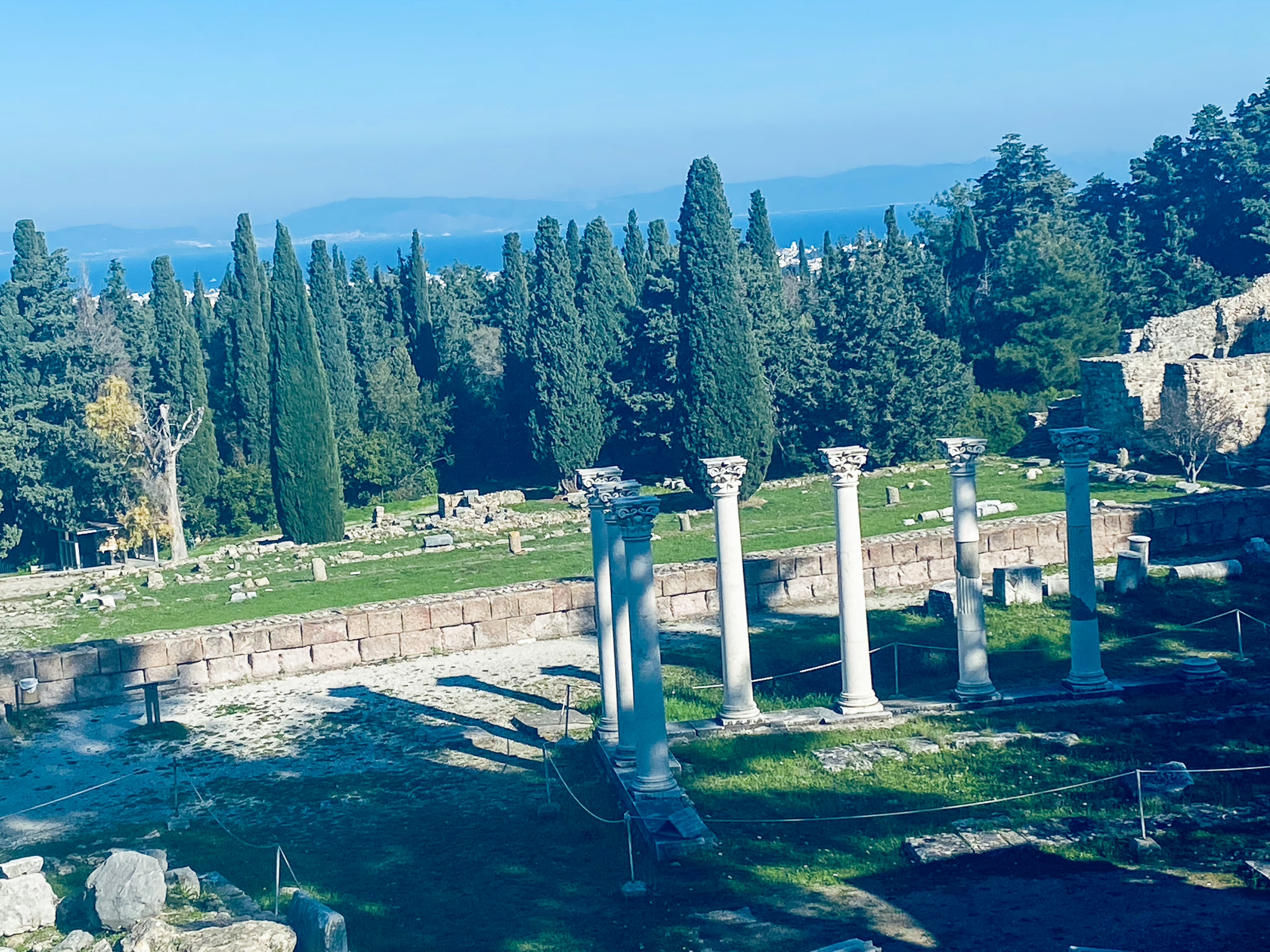
- Third level: Here stands the great Asklepios Temple, the largest of its kind in Greece. It was already visible from the sea and served pilgrims as a guide.
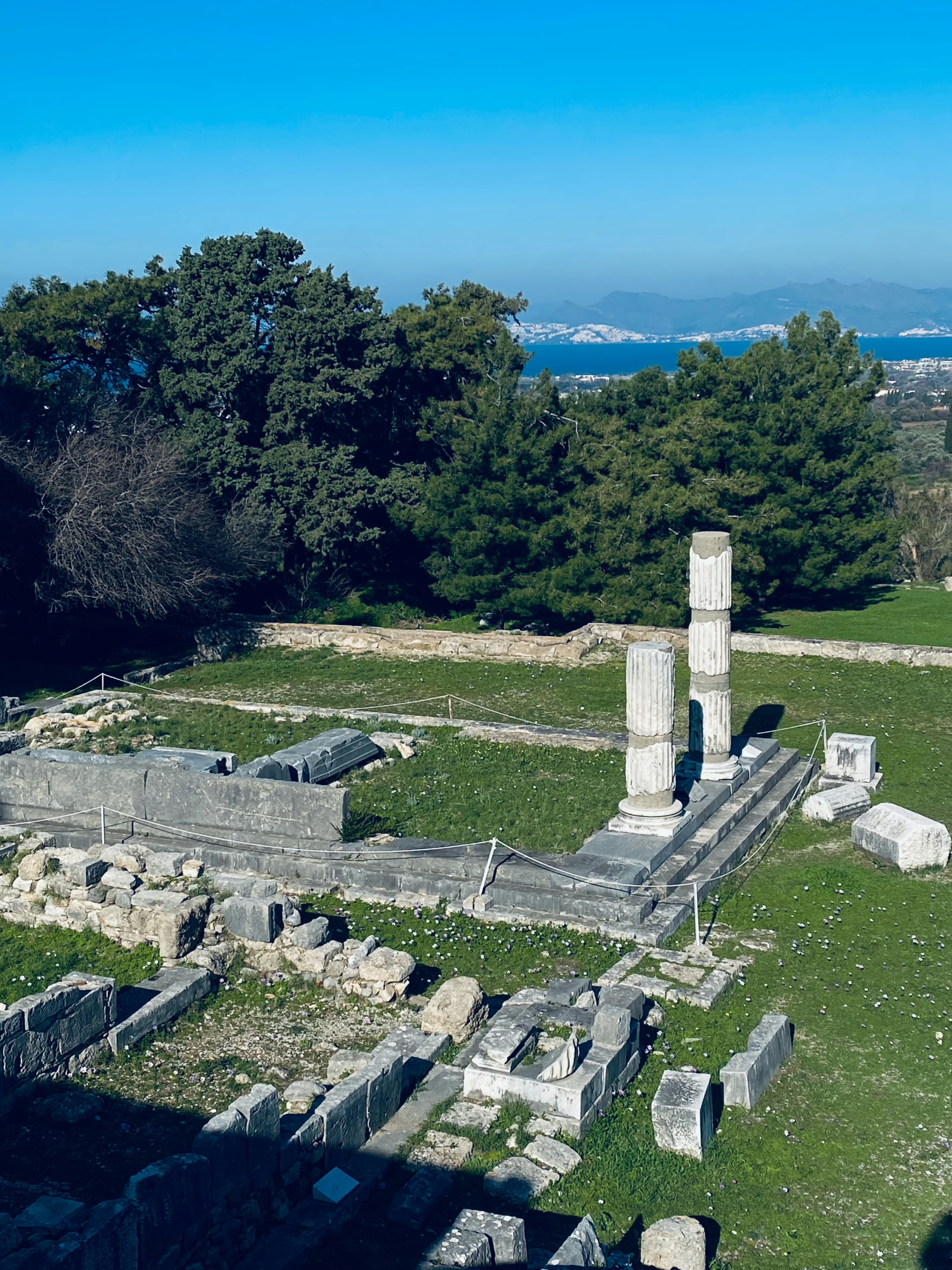
IDuring the Byzantine period, the Asklepion was converted into a Christian Orthodox church. Today, one can still see the inscription „IC XC“ (Jesus Christ). Behind the large temple was a staircase leading to a cypress and pine forest dedicated to Apollo. It was said that the women who lived there were immortal—but infertile.
Historical development
The Asklepion was probably founded in the 2nd century BC and completed only in the 4th century AD. In 1902, it was rediscovered by the German archaeologist Roman Herzog and Kosker Jakovos Zaraftis.
Opening hours & admission
Opening hours 2025: Daily from 08:00 to 20:00
- Admission: 15 €
- Guided tours are only available in conjunction with an island tour.
➡️Enjoying food like the Greeks
class=“LTRStyle“ style=“display: none; text-align: left; direction: ltr; visibility: hidden;“ translate=“no“